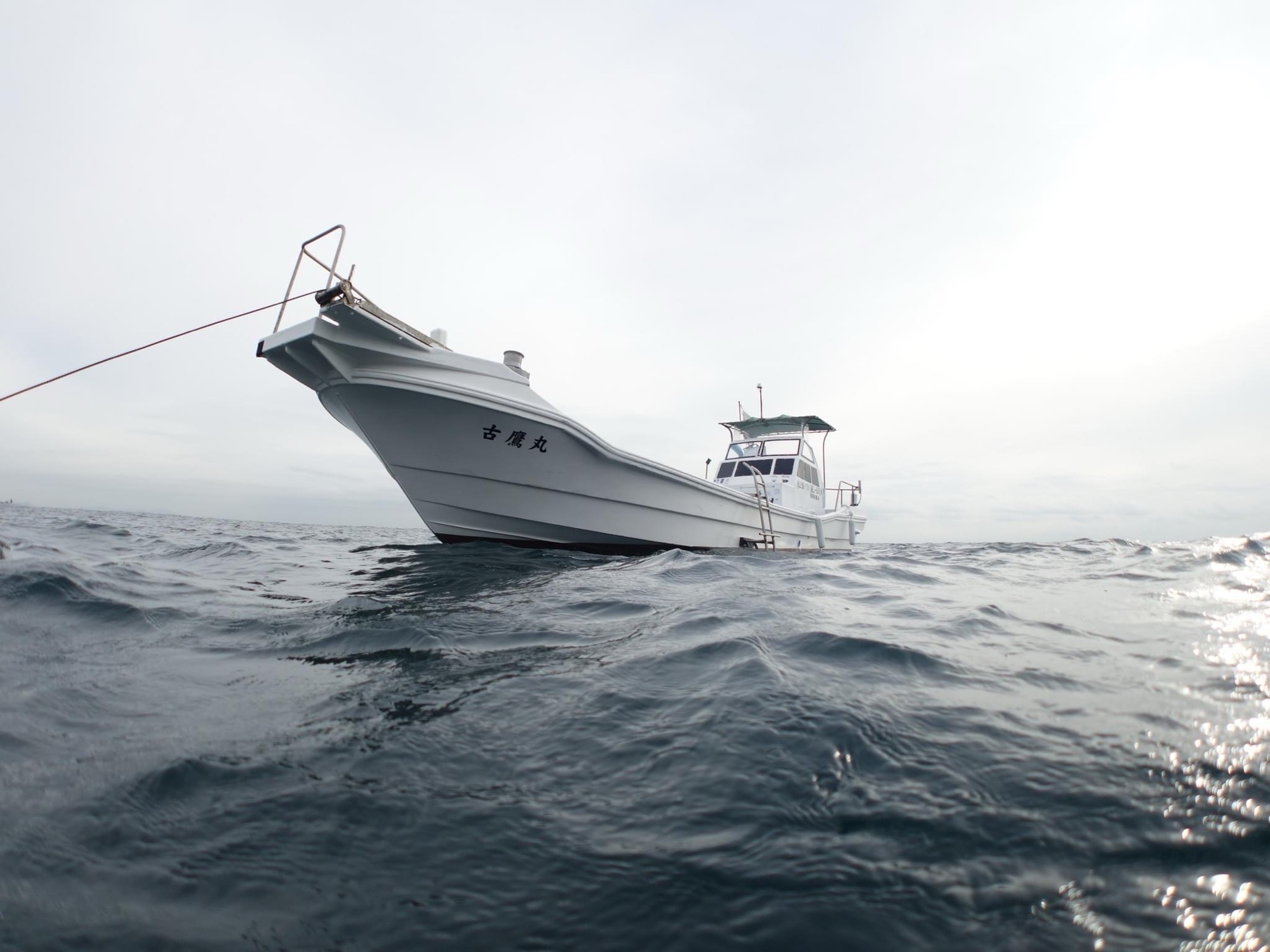
In November 2025, I was given the chance to give a talk at the 20th Symposium of the Japan–France Oceanographic Society, held in Toba, on the theme of satoumi — the living relationship between people and the coastal sea. I spoke not as a fisherman, nor as a curator, nor as a researcher, but simply as “one resident of the shore.” What follows is a written-up version of that talk, with a few additions. It runs a little long; thank you for staying with me.
How I became a freelance curator
To say a little about myself: after working at a small museum by the sea, from 2012 to 2024 I lived as a freelance curator — and at the same time a fisherman, an underwater photographer, a licensed diver, and a teacher at the lectern. Teaching five 90-minute classes in a single day; coming back from fishing and, with my rubber boots and rain gear still piled in the car, going straight on to play the part of a lecturer — I can hardly imagine working that way now.
…I was young (laughs).
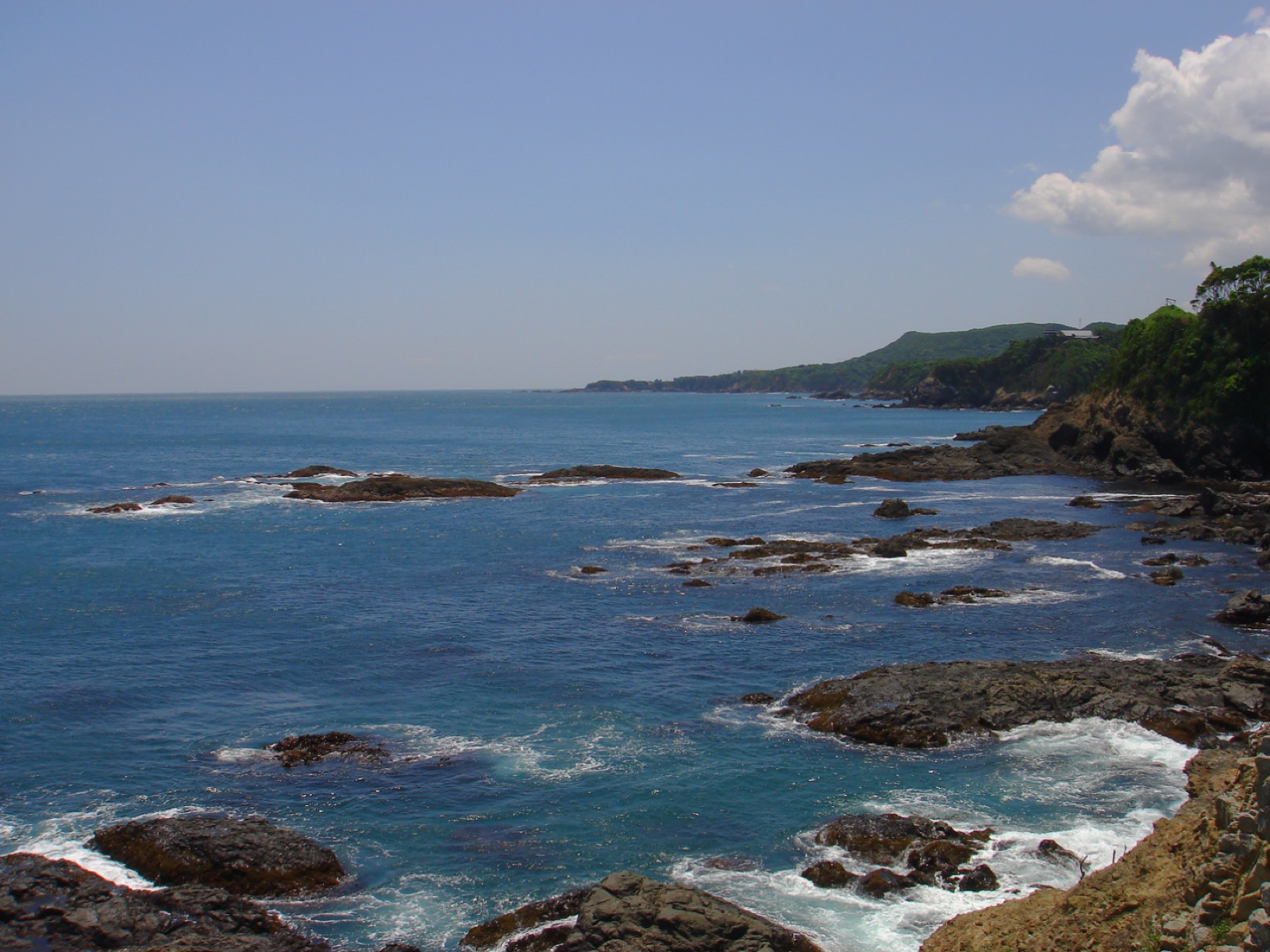
Ise-Shima, the setting of this story, is a place of tidal flats, rocky shores, and inhabited islands. Blessed with rich coastal ecosystems, it lies within the national park that holds the most privately owned land in all of Japan. From shell mounds to waka poems, picture postcards, ukiyo-e prints and old folktales — and from the fishing methods, customs, traditions and rituals that survive today, in a place where tourism and fishing are the main industries — you can sense how the people of Ise-Shima have always lived together with the sea.
And yet, few people know what it looks like beneath the surface, or what is happening there.
What I want to talk about today is not satoumi as policy. It is “satoumi as a way of life” — seen through the people, the memory, the nature, and the learning and livelihoods of the sea in this land called Ise-Shima.
The fisherman who never gave up — Seiya-san
In my line of work I have met a great many people, but — perhaps because I am shy by nature — only a few truly stay in my heart.
One of them is Seiya Harajō — “Seiya-san.”
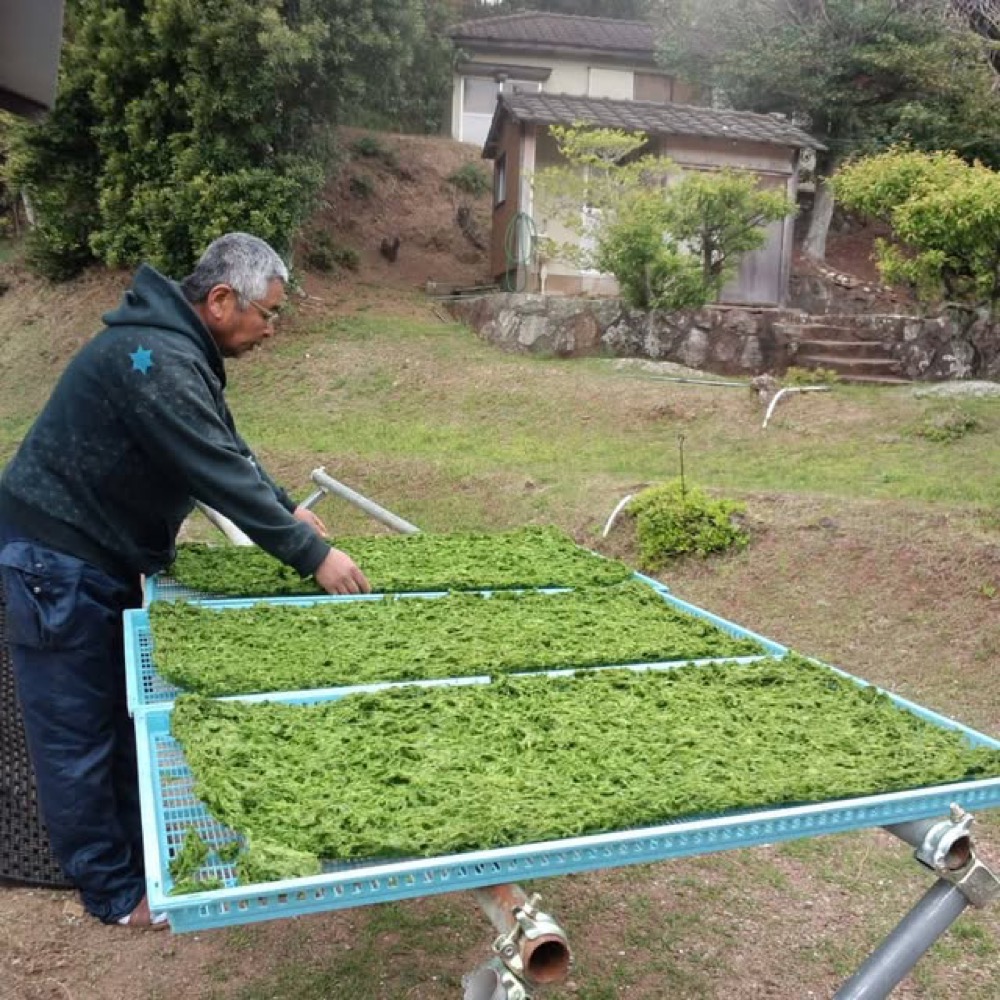
He farmed hitoegusa (the green seaweed known as aosa) and pearls, and served as chairman of the Ago Bay Restoration Council; he was a key figure who drove satoumi creation in Shima City in the 2000s. Sadly, he passed away young in 2021.
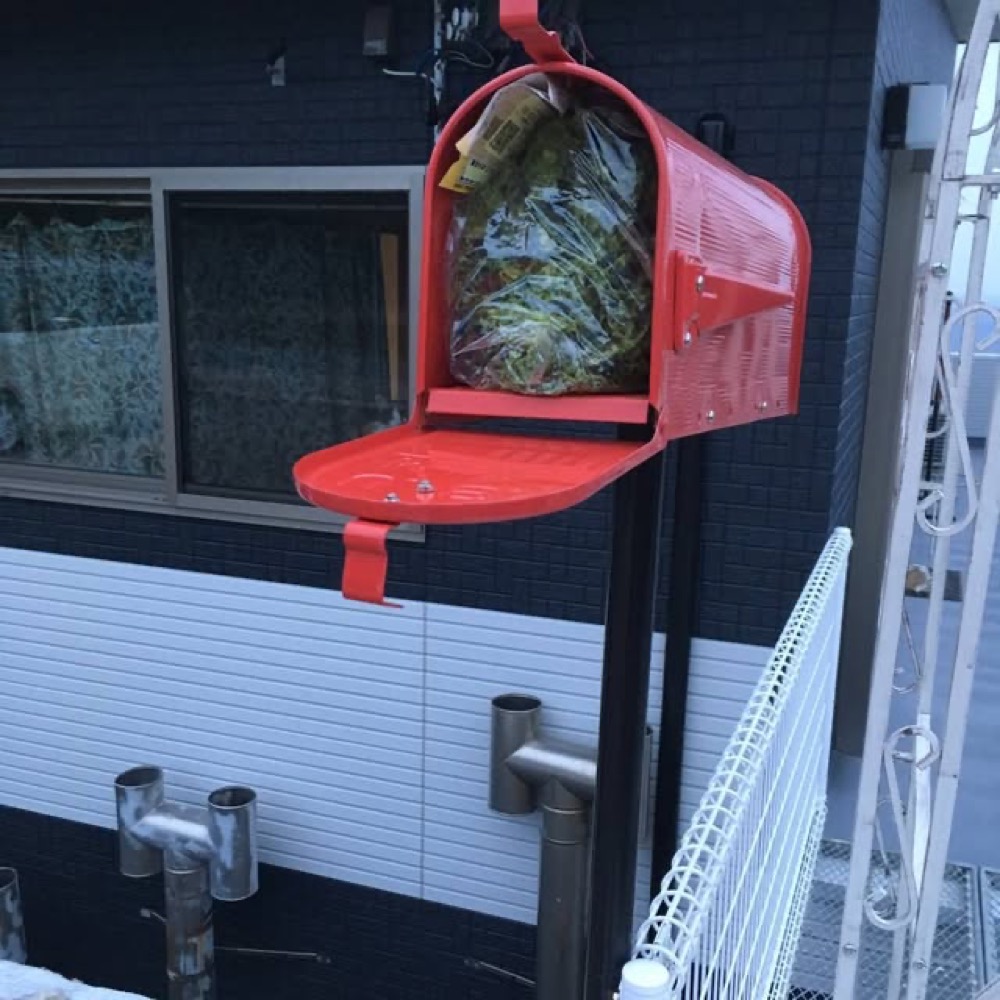
Sun-darkened skin, a fierce face. He would phone at four in the morning: “You up?” (I was asleep, of course.) “Come give me a hand, would you?” (I wanted to say no…) — and he meant it. I’d known him since my student days, and honestly I could never say “no” to him. He’d march into the city office or the fisheries co-op and demand, “What’s going on with this?” He was difficult, intimidating, a handful — and yet utterly impossible to dislike. As an aside: he often brought me freshly harvested aosa, and if I wasn’t home he’d cram it into my mailbox, stuffing it full before going on his way — a charming(?) man like that.
In Ise-Shima, many satoumi projects were launched, centered on restoring seagrass beds and tidal flats. The Ministry of the Environment was once involved, and Seiya-san, as a local fisherman, was there too, one of the people directly concerned. But once a project ends, the topic fades. How to keep an effort going — that is still a great challenge we face today.
When the mayor changed, Shima City’s satoumi hub was closed, and the key person at the city office who had been at its center left as well. Seen from outside, satoumi creation looked as though it had ground to a halt. Around the time I went independent from the museum in 2012 to become a freelance curator, it was also just when people in Ise-Shima were beginning to stop saying the word “satoumi” — and I, too, felt that satoumi was over.
Even so, Seiya-san kept calling at four in the morning. He’d talk about Ago Bay and ask, “How’s the freelance life?” “How was the fishing today — catch anything good?” “What’s the sea like over your way?” “Can you come over and help me right now?” And all the while he kept thinking about how to bring satoumi creation back to life. I suspect he was phoning not just me but many researchers and people from outside the region. He was a rare fisherman who could see the whole picture — always going out to gather information, always updating it, always learning.
And yet, in the end, one person is only one person. After Seiya-san died, the local voices that had pushed satoumi forward fell silent, too.
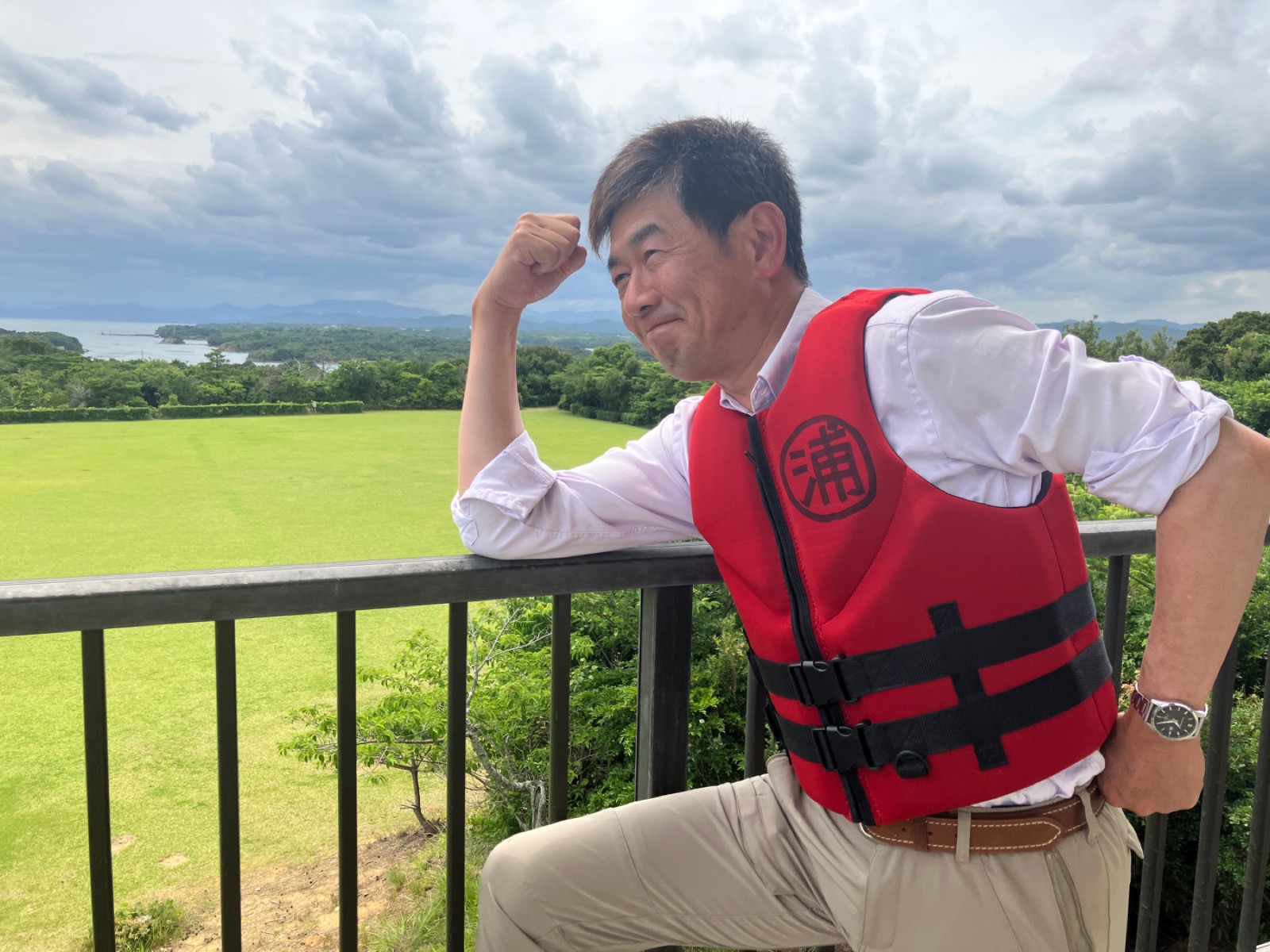
Incidentally, “U-san,” who had left the city office, seems very well these days. He moved to the Shima Nature School and now guides sea-kayak tours in Ago Bay — the very stage of the old satoumi work. Each time we meet he looks younger and happier… the complete opposite of me, who dove into the world around Kasumigaseki and came out looking the worse for it (though rumor has it I always looked that way).
Inheriting the Furutaka-maru — what Seiya-san left behind
Years passed, and I, too, had all but forgotten about satoumi. Then one day, Seiya-san’s father asked me this:
“That boat — won’t you take her on?”
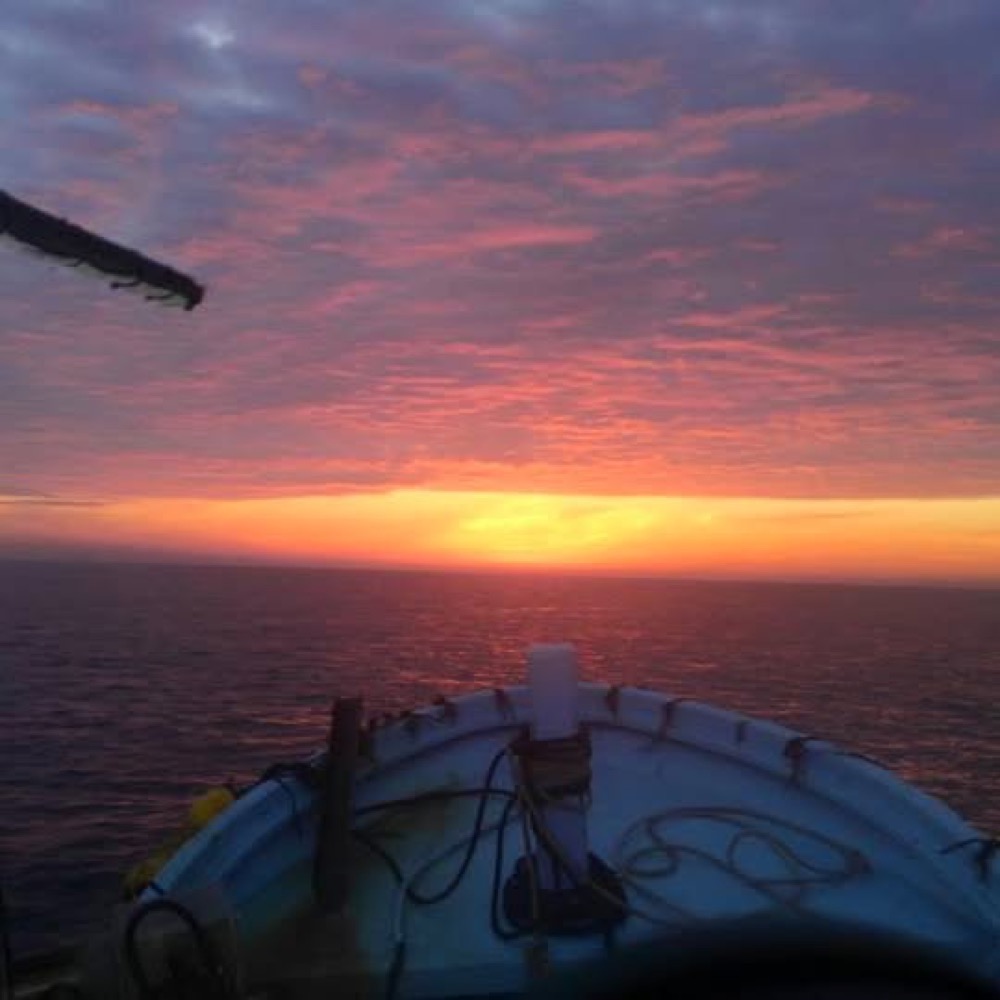
It was Seiya-san’s boat, used for more than thirty years in Ago Bay and in countless satoumi activities. She still floats at the jetty by the workshop, and her name is Furutaka-maru.
Just around that time, I had let go of my own fishing boat to fund a certain project on endangered species (more on that later). Thanks to the support of many people, I raised about ¥2.5 million through crowdfunding and donations and restored the Furutaka-maru’s hull into a fishing boat that can also carry out diving surveys. The engine is thirty years old, and replacing it is homework still left undone — but even so, thanks to the care Seiya-san lavished on her, she still runs powerfully today.
The blending of tools (the tangible) and memory (the intangible), and the act of inheriting them — that, I came to realize, is the locally rooted practice that keeps “satoumi creation” alive even after the government’s satoumi projects have ended.
The Toba City Marine Red Data Book — memory and record beneath the sea
Since the period of rapid economic growth after the war, coastal environments across Japan have been drastically altered. Biodiversity has declined, and the number of species at risk of extinction has grown. Even so, the sea of Ise-Shima remains one of the few where rich seaweed beds and rare creatures still live and breathe.
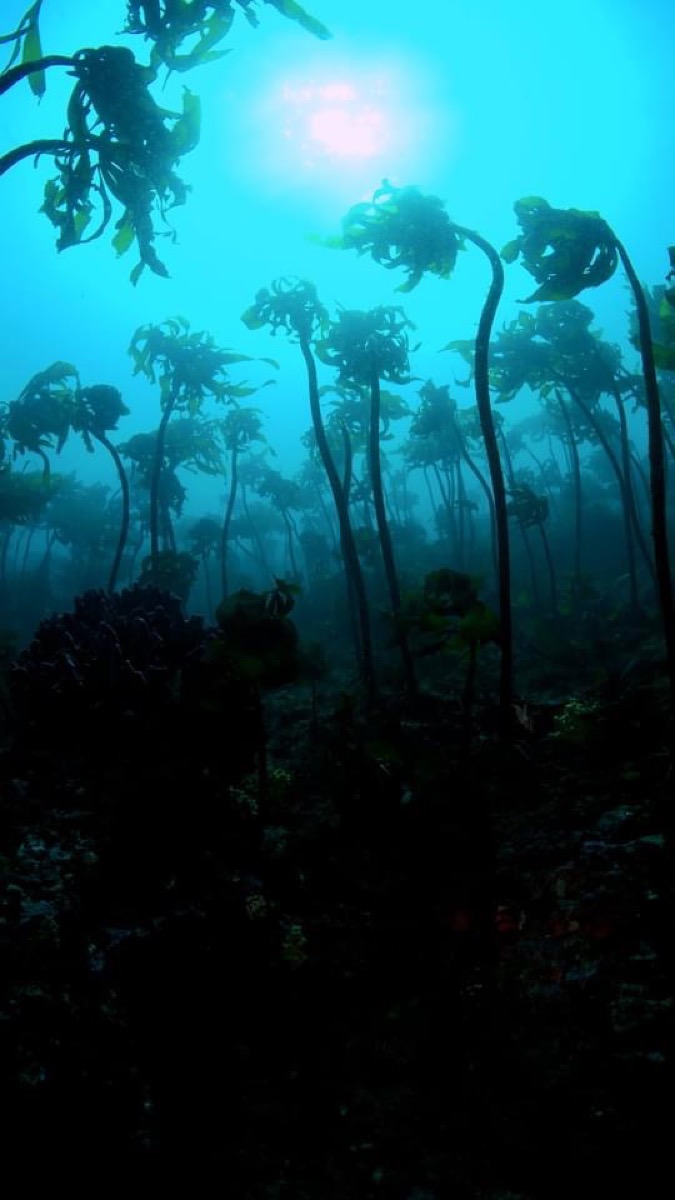
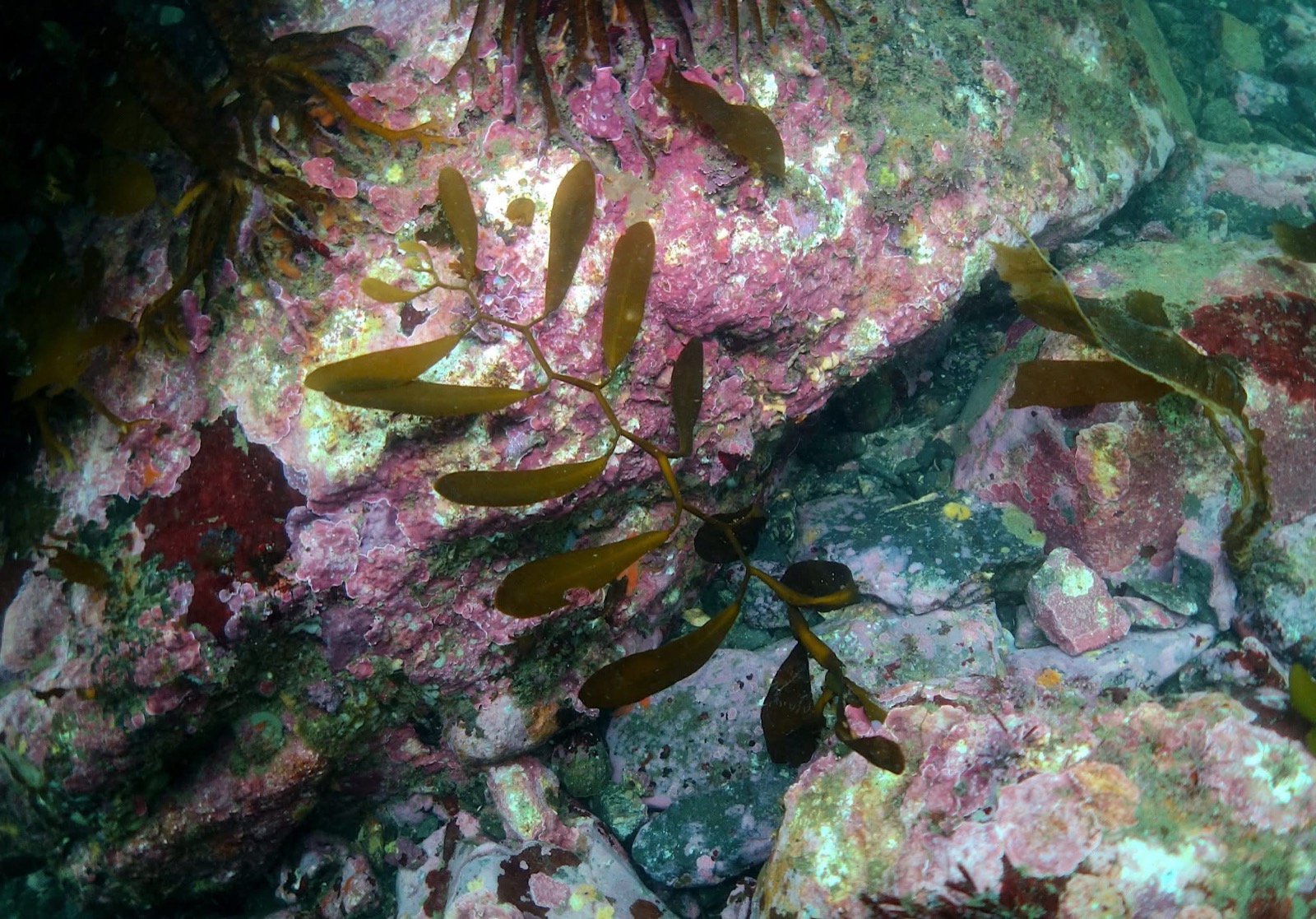
For example, I’d like to introduce a rare brown alga, Sargassum segii. Endemic to Ise-Shima, it has a distinctive leaf shape. It was once widely distributed on the rocky shores of southern Mie Prefecture, but now survives in only a very few places. (This seaweed, believed to have quietly gone extinct, was in fact still hanging on — and the one who found it living in an unreported location was, I confess, none other than me. A small boast, that.)
Even along the rich shores of Ise-Shima, beautiful underwater forests could be seen until around 2017, and the ama divers were diving actively — but the face of the sea is changing utterly. In the midst of this, about ten years into my freelance life, the Toba City tourism division set out, saying: “We want to understand the world beneath the surface better, and put it to use in local policy and ocean-literacy education.”
Why a “Red Data Book”?
When the city office first came to me, the plan was about a monitoring project. But asking myself “monitoring for what?” and “how should the results be left behind?”, what I proposed instead was the creation of the Toba City Marine Red Data Book 2023. I handled its planning, coordination, surveys, writing, and proofreading; the finished book is sold at the Sea-Folk Museum shop and online.

Behind this book, by myself alone, lie about 296 sites surveyed during my museum years (2010–2012) and about 635 during my freelance years (2012–2024) — over 900 sites in all — with data gathered even between days of fishing. I have put out some thirty papers, talks, serials and columns, and taken part in TV filming and interviews.
Beyond its role as a Red Data Book, there was also joint research to prevent the bycatch of finless porpoises; joint research that found, in a sea hare, a novel biotoxin that specifically suppresses colon-cancer cells; transplant experiments with hijiki seaweed; participation in policy recommendations toward Japan’s 4th Basic Plan on Ocean Policy; and involvement in ECOP JAPAN (Early Career Ocean Professionals JAPAN). Above all, it was necessary to bring together — into a single picture — the vast information, knowledge and reports from the forebears connected to the sea and from the researchers active in Ise-Shima. What gathered all of that together is this Red Data Book.
Related links
- For sale (Sea-Folk Museum online shop)
- For sale (Amazon)
- Concept etc. (Sasakawa Peace Foundation, Ocean Policy Research Institute newsletter)
- Toba City press release
- About the database (Toba City)
- About the database (JAMSTEC)
Another asset the Toba RDB created
The “network of people” built through the surveys and the project was itself a great achievement. I met many young researchers and was able to work alongside them. Honestly, I could never have completed this guide on my own. Most of the contributors are excellent divers who still continue local monitoring today. And it isn’t only researchers: the network through which local fishers and ama divers send me photos asking “What’s this?” “Can you eat it?” “Is it rare?” is precious, too, regularly bringing news that surprises me.
”If you simply list the endangered species, will the rich sea come back?”
I am sometimes asked this. The answer is “no.” Introducing and protecting some particular species will not bring back a healthy sea — and that is not satoumi creation in the true sense.
Most Red Data Books in Japan focus only on rare species and put their photographs on the cover. But a truly rich sea must be supported by the whole ecosystem, by habitats, and by the culture and traditions tied to the sea — and with that belief, I tried to compose this book not as a “list” but as a “story.”
On the cover, there is not a single photograph of a living creature. Instead, coastal scenes such as suhama sandbars and rugged rocky shores, and a variety of organisms, are drawn as motifs, to symbolize that all living things are connected. We featured 429 species — from marine mammals and fish to shellfish, crustaceans and other invertebrates, seaweeds, seagrasses, and even a few creatures of the deep. To be able to show, here in Ise-Shima, “still alive,” species that have already vanished elsewhere — that is the very proof of our sea’s richness.
Local sayings, traditional knowledge such as old ways of using creatures, and the underwater scenery created by diverse, abundant life — I wove all of this in, using the underwater photographs I had built up over the years. This is not merely a book of conservation. It is a tool for decision-making. Not only to protect species, but to shape the future together with the sea, we need as much information as we can gather.
When science met local wisdom
A small story. We had believed that this little fish — the tanago — lived only in a few limited spots beside the rice paddies of Toba. But when we listened to local voices, one person told us an old story handed down through the generations:
“That fish used to be in all sorts of places, long ago.”
Following that story, we went out once more. And there — in a place we had never checked, a place we hadn’t even known had a waterway — we found the tanago. To confirm it wasn’t released from elsewhere, we examined the mtDNA (the cytochrome-b region) and found it likely belonged to a natural population. The local lore was right, and science proved it.
A small creature that heralds spring
One more. When spring comes, megalopae (the larvae of crabs) appear all at once. The fishermen love them — some even craft look-alike lures to go fishing for mebaru (locally called waga). For the people of Toba, they are a sign that spring has arrived. And the very first task I was given when I began working at the museum was to identify exactly what these larvae were.
Perhaps this is not an “ordinary field guide”
It may sound a little greedy, but I feel it is a waste to limit a Red Data Book to endangered species alone. And I also think this: we must not lightly rob the reader of the room to “imagine, think, and feel.” There is what you expect, but there is also the unexpected — and we should be wary of the risk of making things too “easy to understand,” of moving people too much, of teaching too much.
So perhaps the guide I made is no longer a Red Data Book at all. Something a little different — something to spark curiosity and to give rise to local action. That is what I hope it is.
To the world — starting small, reaching far
In June 2024, something happy happened. This guide became not only a printed book but a digital database. With the cooperation of JAMSTEC (the Japan Agency for Marine-Earth Science and Technology), the data was registered in BISMaL and connected to OBIS, UNESCO’s global system.
Toba’s creatures and their habitats can now be seen by researchers around the world. What began as a small local project has become part of the world’s network of knowledge. Satoumi creation, started small, can reach the world. I’m told this was, at the time, the world’s first case of its kind.
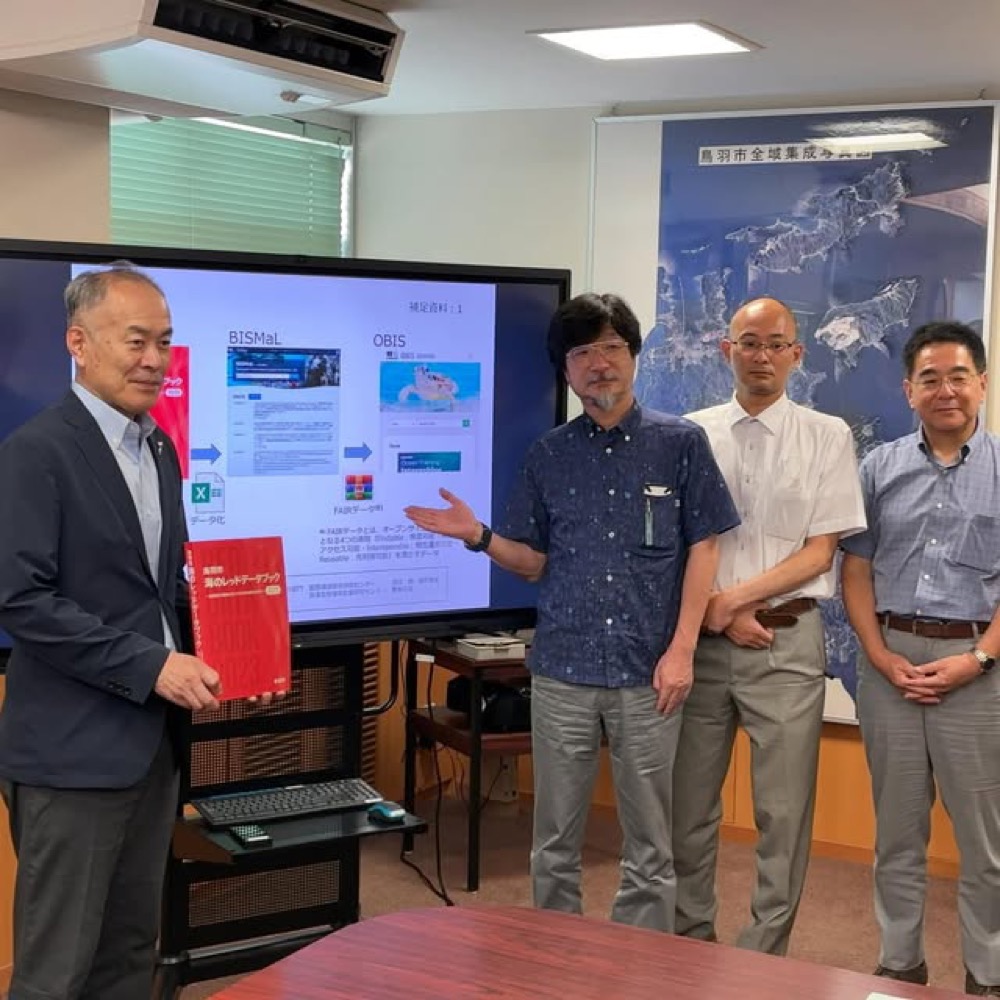
The satoumi creation of Ise-Shima may look as though it has vanished. But I believe it is still alive — through people, through memory, through that boat, and through the Toba City RDB and its database.
A dream for the future
Let me end with one dream. It is a dream I have spoken of whenever the chance arose, these past five years. But it is not my dream alone. It is also a personal dream, shared by those who believe: “We want a place where hope can grow, here in our own region.”
On a certain island in Toba, quarrying has continued for decades. From hearing that an entire mountain has disappeared, the impact on the environment is plain, and it will surely never return to what it was. And yet I see it as “a chance for something new.”
What if that place could be turned into a hub for fishing, ocean-literacy education, research, and ecotourism? What if we built a port for large cruise ships, created jobs, and reconnected people with the sea? What if, within that, we could restore even a part of the forest–village–river–sea continuum? What if we could make a garden looking down on the sea, borrowing it as scenery, like the Japanese gardens of old? — as a new model of regional renewal for the future —
It may sound like a fairy tale. But dreams give us a direction to walk in. The Toba City RDB holds not only data but the stories, the scenery, and the ideas behind satoumi creation. If that can help someone, somewhere, begin their own journey of satoumi creation — then the book, I think, has already done its work.
In closing
If this write-up can leave something useful for your own work — wherever in the world you may be working on coastal conservation or satoumi creation — I would be glad.
Let us keep the sea alive — not only through projects, but through people.
Thank you for reading to the end.